cute

Chinchilla Thanksgiving

After spending a lovely evening on Fifth Ave with my adorable sister, we sit down for a slice of cake and a spot of tea. The lights shimmer on the streets outside, heavy with a festive sparkle. The window displays drip with gaudy exuberance, enticing tourists and shoppers alike. Year after year, the decor outdoes itself, the budgets double, and the holiday mania ensues in the same deliberate fashion. This is the center of commerce, New York City – encapsulating the dreams, hopes, and desires of each and every generation. We try our best to avoid it, but every year the glitz of ‘Christmas before Thanksgiving’ jolts us into the holiday spirit, regardless of its true monetary intentions.

NYC Xmas

We find a place in the plaza, settling in with our 20-layer crepe cake and strawberry tea. She’s so bright, and the conversation follows suit. We discuss the upcoming holidays, the changing weather, and the state of the union. During our chit-chat, the soft blur of Thanksgiving appears like a warm veil over my eyes. I hug her, and tell her I love her.

Sis and Me

In honor of this year’s Thanksgiving, I’ll be sharing a little bit of what I’m thankful for. And as a preface, it won’t be the city lights, the bustling crowds, and the freezing temperatures – although, sure, that’s all a part of it. It’s about my babies – the five little souls that fill mine with such thanks and appreciation for the present moments; the inevitable ‘growing up’ of it all, and the ‘do your best’ attitude that has become increasingly more profound as the years pass.

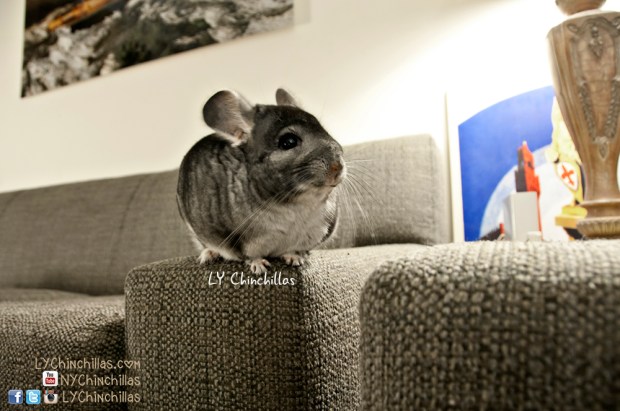
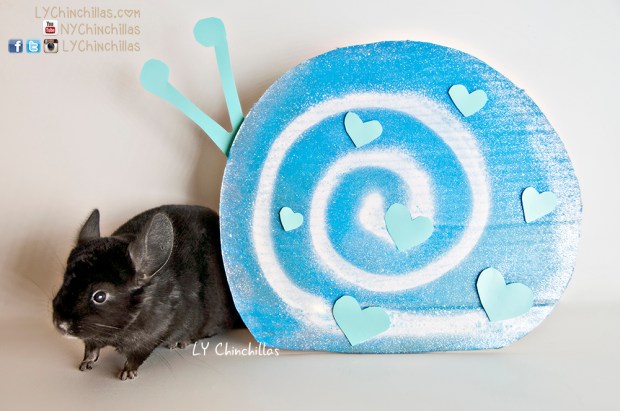
Koko bear – As the youngest and darkest ball of fluff in our ‘Haus of Maus’, I’m thankful that Koko is sweet. She’s incredible – bouncing about from corner to corner, accepting our scratches, and smiling happily with her little overbite. Definitely functioning with a glaze over her little teddybear eyes, Koko is a warm, fluffy cuddle monster! The only chinchilla I know that will allow true cuddles and sleep right in my arms.

Fifi – I’m thankful that Fifi is a wildchild. She’s uncontrollable and inconsolable at nearly all times – darting around and constantly speeding through life. It’s as if in every situation, Fifi truly believes she is constantly escaping death. She keeps us balanced, patient, and forces us to slow down and appreciate the calmer moments in life.
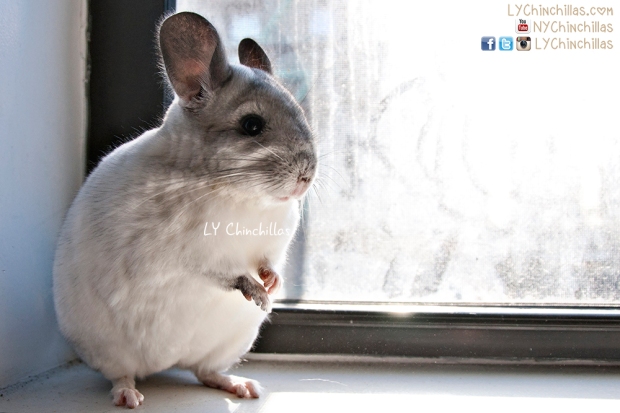
Lulu – Lulu is an adorable sweetheart. Keeping her sister Fifi in check, she has a cool head and a curious, lovely demeanor. With her eyes close together and a fat butt, watching Lulu is a smile waiting to happen! When times get tough, I look to Lulu for a quick pick-me-up – and for that, I’m thankful.

Mufftoneous – I’m so thankful for Muff! What a gumdrop jelly bean teardrop! How much jolliness and joy can one confused chinchilla bring a person? INFINITE! He is such a vocal, silly, adorable little guy! He is not a brilliant chinchilla so to say, but he always gives us a big laugh!

Mittenmaus – As the firstborn, Mitty has a special place in our hearts. He opened the door for all the other babies, and we couldn’t be more thankful. On top of the happy change he has led to, he remains the most intelligent chinchilla we have. Known as ‘the engineer’, he’s always searching for a way into the ‘real world’ – I swear, if it were up to him, he’d rock a suit and tie and sit at the head of our dinner table, nibbling a shredded wheatie, directing conversations and speaking on politics.

Thanks for stopping by today and we’re all wishing you a VERY Happy Thanksgiving! 😀
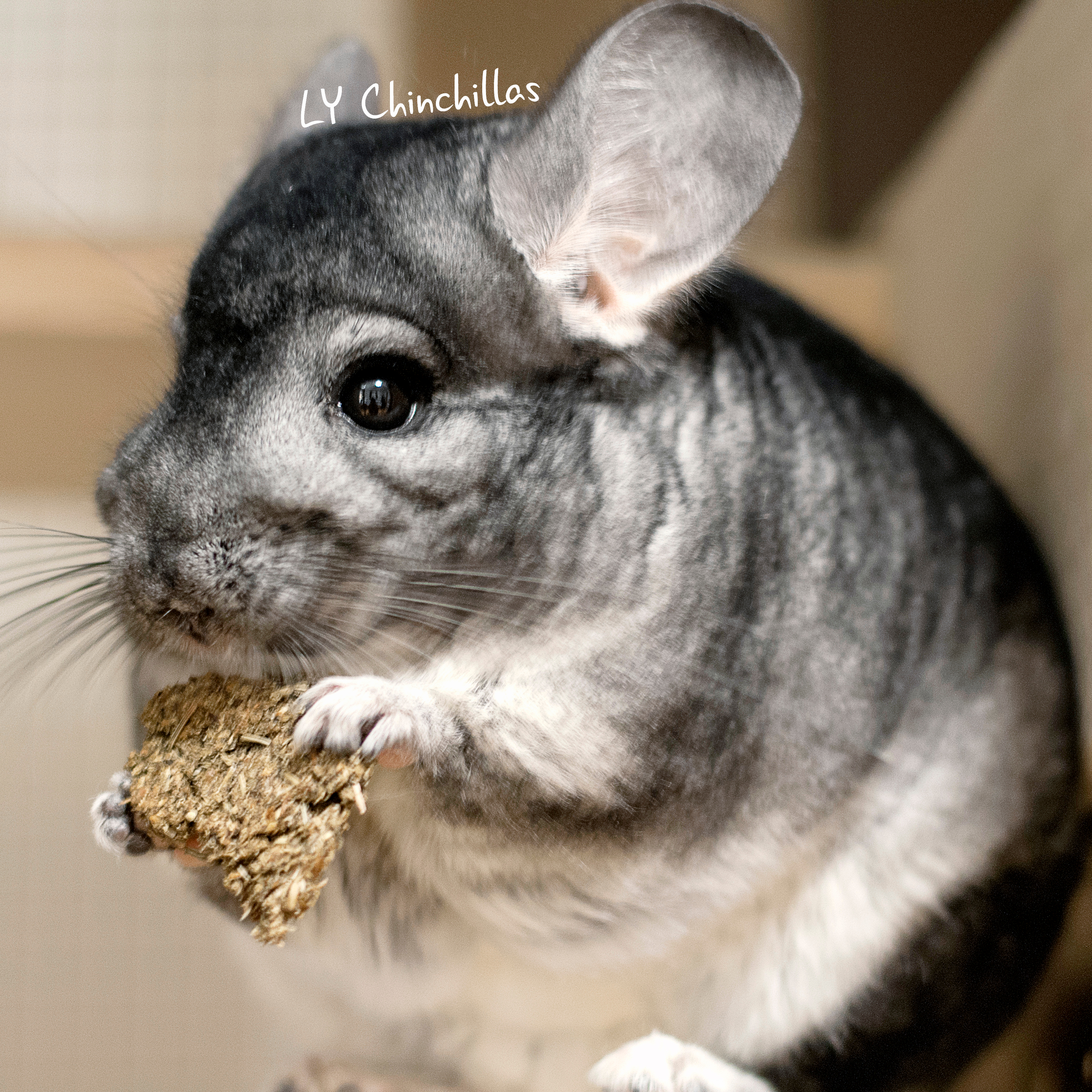
LY Chinchillas Treat Donation

Donate healthy, delicious treats to LY Chinchillas to help keep our content going!

$5.00

Tips for Chinchilla Playtime!

As all chinchilla owners know, chins are high energy and high maintenance – there’s no sugar-coating it! We go out of our way to provide safe multi-level havens for our babies, order them the finest foods, and hope that one day they’ll come around and show us some love back! A major part of chinchilla health and bonding is playtime. Playtime is critical for chins, as it gives them a chance to discover a new environment, stretch their legs, and get to know their owners a little better.

Get to know your fluffball. Playtime is an incredible way to get to know your little babies. Chinchillas have abundant personalities, and you miss a lot of that while they’re in their cages. Letting them out will encourage them to approach you (as so oftentimes it’s the other way around) and share their squeaks, leaps, wall jumps, and more with you! I encourage all owners to be very aware of their chinchilla’s behaviors – study them: their idiosyncrasies, movements, and physical characteristics. Any change in personality or behavior can be indicative of a health issue and should be carefully monitored – but you need to know your chinchilla’s baseline personality in order to detect any semblance of a change. There are a lot of health issues or injuries that can be fixed simply by detecting them early, and to put it simply, you can’t catch it if you aren’t looking.

Be present at playtime. Watch them like a hawk! – at least, keep a very watchful eye when you first start letting your chinchillas out. As you get to know your chins, you’ll be able to know which ones respect authority more than others, which ones you can trust around the furniture, and where they like to hide. There’s nothing more terrifying than fearing your chinchilla has dissipated into thin air when they’re actually snoozing under the couch – true story.

Set your boundaries. Many people like nice things, chinchilla owners being no exception (in fact, I think we have the best taste). So, it’s natural to be apprehensive letting your chinchilla out with such lovely molding, fabrics, and wooden furniture strewn about – chins are known for filing their teeth on wooden toys, and they don’t care whether that toy is your bed frame or an appropriately sized apple stick. It’s critical to set your boundaries and take up a stern talking with your chin. The easiest place to start for most homes is the bathroom or closet, as it’s a confined space and easier to spot a misbehaving chin. When you feel comfortable moving into a larger space, start in the new space by keep the playtimes short and working your way up. Trust is something that is built over time, chinchilla-human relations being no exception.

Chin-proof the playroom. The method I use for training my chinchillas not to bite my things starts with me. As people, we are responsible for our furniture, rug, walls, and important documents. No one can protect these things better than ourselves. Oft, it’s as simple as moving something important out of reach or closing the drawers. Chinchillas are so curious – you really can’t blame small animal instinct for why your favorite book (or camera, or passport, etc.) got destroyed. If you can see it, they can probably get to it. There is always a way. So put the birth certificates away, remove the climbing mechanisms, tape cardboard against your molding (make sure the tape is not reachable), shove pillows and blankets under your couches and around your radiators, and close those windows. When you’re done, you’re probably still not done. Those little buggers are more compact than your foresight will lead you to believe, and aren’t scared of venturing where no chin has gone before. It’s best to simply be there and catch them before they do the deed.

I know many owners have playpens, and I’m all for that – but if you have the time and energy to expend on chin-proofing, you’ll find it’s a much more interesting experience, allowing them to be more fully integrated into your space, if only for a moment.

Train. I don’t use treats when I train, I simply use the concept of ‘playtime’ vs. ‘home’. If they want to be out, they have to be good. If I see someone lingering by a wall for too long, I’ll say his/her name in the same manner I’d speak to a disorderly 4-year-old or a misbehaving dog – I’ll utilize the don’t you dare tone. They will hear you, and if they know you well enough, they’ll turn to you and be aware that you are talking to them. Sometimes they’ll stare right at you as they decide their playtime fate, chomping into a picture frame or art piece. Then, they’re headed home to think about what they’ve done. Less intellectual chins may never put it together, wondering with the same fascination each and every time why they’re going back to their cage! However, most chins will begin to see a trend in playtime consequences and learn what they can and can’t bite. I leave chew toys out for them, and allow them to bite on certain furniture such as my barn wood table and wicker chair. Everything else will simply buy them cage time. Again, you must be present in order to train. You can’t be sending mixed messages while they’re out (i.e. when you’re lazing they can bite, when you’re training they can’t), as it defeats the consistency required to teach & learn. If my chins are good, they can be out for up to 45 minutes before they decide they want to fall asleep, tap on the door to go home, or need a sip of water. I’ve found that some of my chins are now able to communicate their needs to me, which is extremely rewarding to recognize.


Enjoy and take your time. My chins are my children. I love spending time with them! They are badass kids at times and don’t care at all for what I have to say. That’s fine, they’ll learn – and, don’t tell them, but if they don’t, I’ll still love them. And watch out for them, and take care of them, and make sure they are safe and healthy. When playtime is over, be sure to collect your chinchilla carefully! Do not rush that final process, and if your pet escapes your clutches, do not panic. Be patient and coax your kids back into your arms or their cage, as long as it takes. I have heard too many horror stories of owners losing their chinchillas by stepping on their beloved pet accidentally, or falling on them when chasing an escaped chin. With all your might, try your best to avoid thoughtless and tragic accidents. Safety first! My best advice is to just take your time – don’t force it, and be genuine. If you love them, they’ll know – and on some level, they’ll reciprocate. Enjoy their company and never stop doing your best. Patience, practice, consistency, and human foresight can all create an extremely fun and productive playtime for all.


LY Chinchillas Treat Donation

Donate healthy, delicious treats to LY Chinchillas to help keep our content going!

$5.00

How To: Chinchilla Photography

As a professional photographer in New York City, I’ve had my share of dramatic clients – fussing over hair and makeup, complaining about angles, and throwing out last-minute conceptual changes. Yeah, sometimes high fashion and editorial work can be extremely particular, but if great minds come together to accomplish the task, beautiful imagery can result.

Chinchillas, on the other hand – well, where to begin? They are inherently adorable (to me, they are the cutest animals on this planet) and can do no wrong visually. However, they won’t come together with you on a photo shoot. They won’t say – oh sure, I’ll swipe my tail 45 degrees to the left and wink at you while holding up an apple stick with my right paw. If only! Chins are hard to get ahold of, and even if you have a non-reactive chinchilla (like my Koko), photographing them can be tough. They’re drama queens in their own right!

Flash photography is the easiest and most practical type of photography to use when snapping an image of a high-speed, high-energy animal. It freezes them in frame instantly, and most of the time won’t have blur. That means you can capture them jumping, twirling, turning, or performing any onslaught of energetic feats – but the image won’t be soft or cuddly, like we know our chinchillas to be. Along with diminishing their furry details and barraging their colors with an unsightly whitewash, flash photography will likely cause you to put in some post-processing time; you should expect to use a photo-editing program to get those tiny red eyes out of your photo.

Chins look best when photographed without flash, as most standard non-diffused flash units will be too harsh on their fluffy details. The problem with studio photography is that it typically requires more setup time, careful planning, and safe treats on hand! As far as camera settings go, you’ll need a slower shutter speed (or a super-bright lighting system). I like to maintain a low ISO on all my photographs to keep images less noisy, meaning my settings will slow down overall processing speeds even more.

As far as personal photographic tastes go, I’m ALL about natural lighting. Give me the morning sun, sulking half-light, or a heavy sunset. I love it all: the emotive depth, the searing contrast, the daring illusory effects. For all my clients, I suggest going natural. It’s more challenging (so to say, more interesting) than a studio shoot and lends a level of professionalism that supersedes the senseless ‘pro ideal’ of a $20,000 camera set and a 3,000 square ft NYC studio (although wouldn’t we all love to bathe in such fanciness ~ as the chins love to bathe in dust). I believe strongly in natural lighting, it shows in my work.

As far as chinchilla photography goes, I’m ALL about just surviving the shoot! Natural light is still the best for beautiful images, but studio photography accomplishes what natural lighting can’t – being able to be done at any time of the day. I’ll still grab my Nikon for the playtime sessions with the kids, but if I’m looking for some high-quality commercial-level imagery, I’ll overwhelmingly choose a studio set.  That means I’m gonna put in 20 minutes to get the lighting right but only end up shooting for a minute or two. Sets should be simple and clean, allowing the focus to be on the chins – adding in a colorful fleece background or sprinkling marigolds can brighten up the scene without detracting from the furry spectacle.

It’s imperative to prepare for the skittishness of the babies. Since chinchillas are nocturnal, their eyes perform better in low light, so I’m sure the brightness of the set becomes irritating very quickly. Chins have such little patience when it comes to waiting for human error to correct itself, so it’s best to be ready with a tripod and set your camera to high-speed continuous shooting mode, and give it your best!

Remember, patience and effort are the main components to great chinchilla photos. It doesn’t hurt to have a photo assistant to collect escaping chins or a chinchilla-safe treat on set to coax them into staying still – if only for a moment! 😀

LY Chinchillas Treat Donation

Donate healthy, delicious treats to LY Chinchillas to help keep our content going!

$5.00